Florida Board Set to Vote on Statewide School AI Rules
Florida’s State Board of Education is scheduled to vote on 16 September 2026 at Polk State College in Winter Haven on statewide artificial intelligence rules covering K-12 districts and the Florida College System. The package is
PromptCrates Editorial
Staff Writer
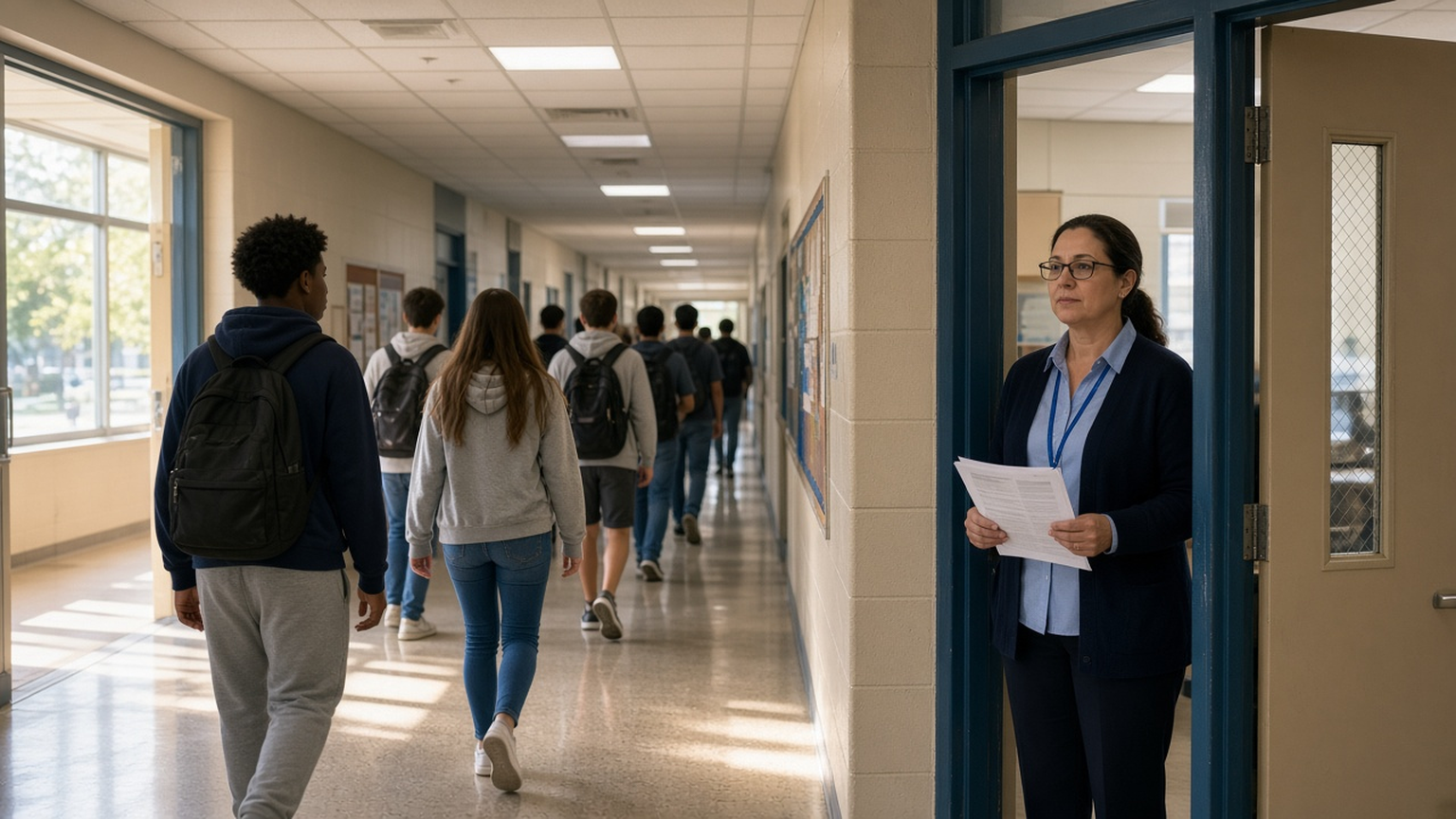
Florida’s State Board of Education is scheduled to vote on 16 September 2026 at Polk State College in Winter Haven on statewide artificial intelligence rules covering K-12 districts and the Florida College System. The package is not a ban on classroom AI. It would force written policies, parental notification tracks, and syllabus disclosure, with K-12 internet-safety amendments due by 1 July 2027 and a parallel college rule numbered 6A-14.0719 for all 28 state colleges. Education Commissioner Henry Mack has already advanced the college rule for board consideration.
What the K-12 and college proposals require
For K-12, districts and charter boards would amend internet safety policies to cover AI, protecting students from unlawful, deceptive, unsafe, or unauthorized AI use. That language pushes local boards to define approved tools, misuse, and notice—not to outlaw generative models wholesale.
For the Florida College System, proposed rule 6A-14.0719 would require boards of trustees to set use and limitation policies and lists of approved tools for students, faculty, staff, administrators, and guests. Students could not use AI on graded work unless an instructor permits it. Syllabus disclosure and parental notification concepts sit alongside the Board of Governors’ separate review of university syllabus AI disclosure, extending the conversation from Pre-K through PhD as state media have framed it.
Local reporting from The Florida Press, CBS Miami, and WLRN converges on the same point: Florida is choosing policy paperwork and permission culture over a statewide classroom ban.
How Florida compares with other US systems
New York City already banned student-facing generative AI for K-8, a harder line than Tallahassee’s approach. Ohio became the first state to require district AI policies, a closer cousin to Florida’s K-12 internet-safety amendments. PromptCrates covered the NYC K-8 student AI ban and the broader US school district AI classroom backlash; Florida’s vote sits on the policy-requirement end of that spectrum rather than the prohibition end.
Internationally, systems such as the UAE’s AI curriculum push across schools emphasize mandatory literacy rather than restriction. Inside Florida higher education, partnerships like the University of Florida and Nvidia AI curriculum show the state can promote AI skills while still demanding classroom disclosure. The September 16 vote is about governing everyday use, not canceling workforce programs.
Florida implications if the board approves rules
If the board adopts the rules, Florida districts will spend the 2026–27 school year writing or rewriting AI sections of internet safety policies before the 1 July 2027 deadline. Colleges will need trustee-approved tool lists and clear graded-work rules before instructors can treat silent ChatGPT use as ordinary. Vendors selling into Florida education should expect approval lists, age-appropriate defaults, and audit questions about deceptive or unauthorized use.
Parents gain clearer notice pathways; teachers gain syllabus language that makes permission explicit; students lose the gray zone where “everyone uses it” substitutes for policy. Critics will argue the rules chill useful tutoring. Supporters will argue that graded integrity and safety filters are overdue after years of ad hoc bans.
Nationally, Florida’s size means curriculum vendors and LMS providers will treat the rule text as a de facto template for other Republican-led states that want policies without NYC-style bans. Watch whether the Board of Governors aligns university syllabus disclosure with the college system’s 6A-14.0719 logic, closing the Pre-K-to-PhD loop state media have described.
The news ahead of 16 September 2026 is procedural and consequential: a scheduled Winter Haven vote on statewide school and college AI rules that prioritize written policy, instructor permission, and parental notice over prohibition. Florida is about to decide how 28 colleges and every K-12 district must talk about AI on paper—before they talk about it in class.
Public comment at Winter Haven may split along familiar lines: parent groups demanding cheating crackdowns, teacher unions asking for planning time and clear liability shields, industry groups warning that vague “deceptive use” language could chill legitimate adaptive learning tools. Board members will have to decide how much discretion local districts retain. Too little discretion and rural counties drown in compliance; too much and the statewide rule becomes a slogan.
Florida’s political branding also matters. Framing AI rules as safety and parental rights differs from framing them as workforce readiness. The packet on the table tries to hold both: protect against unauthorized use while leaving room for instructor-permitted tools. Whether that balance survives amendment on 16 September will determine if Florida becomes the template state for policy-first AI governance in schools—or another headline that fades when handbooks stay unchanged.
Implementation details districts will feel first
Policy text will not teach a tenth grader how to cite ChatGPT. Districts will still need professional development, example syllabi, and vendor reviews that distinguish tutoring from answer mills. Charter boards with thin legal staff may copy large-county templates, spreading both good practice and accidental overbreadth. Accessibility advocates will ask whether approved-tool lists include supports for students with disabilities or only blocklists for cheating.
College faculty senates will argue about academic freedom when boards of trustees set approved tools. Guests and dual-enrollment students complicate enforcement. The July 2027 K-12 deadline looks distant until procurement cycles and handbook reprints start this winter. Florida’s vote is a calendar event; the real work is eighteen months of local drafting afterward.