Jason Isbell Leads Class Action Against Suno Over Identity
On 31 August 2026 Jason Isbell, David Lowery, Guy Forsyth, and Ed Calle filed an 84-page Massachusetts federal class action accusing Suno of right-of-publicity violations by turning musician names into identity-evoking generation keys.
PromptCrates Editorial
Staff Writer

Jason Isbell is leading a proposed class action filed 31 August 2026 in Massachusetts federal court against AI music platform Suno, joined by David Lowery, Guy Forsyth, and Ed Calle. The roughly 84-page complaint, covered by Billboard and other outlets in early September, alleges right-of-publicity violations: that Suno’s model encodes musician identities as tokens so name prompts can conjure identity-evocative songs, descriptions, and artwork — a theory distinct from ongoing label copyright fights.
Identity tokens not copyright claims
According to Billboard’s report, plaintiffs say Suno recognizes a name such as Jason Isbell as more than a text string — as a retrieval key for performer-specific representations that return a multimodal package: a generated song, a description of attributes, and a related image. One cited example claims prompting Isbell’s name produced an Americana track imitating clear male vocals and country twang.
The complaint stresses that publicity rights belong to the person even when labels own recordings. That framing matters commercially: Warner Music Group previously settled into a licensing path with Suno, while Universal Music Group and Sony remain in separate copyright litigation. Plaintiffs argue artist-identity claims can survive even if some copyright owners later license training or output uses.
Spaced prompts and filter loopholes
Suno publicly says it wants users to create something new rather than imitate someone else’s work, and that filters block specific artist-name prompts. The lawsuit alleges those filters often fail — and that spacing letters can defeat them. Billboard relayed complaint examples such as m i c h a e l j a c k s o n yielding a pop song titled Glovebox Moonwalk with glove imagery, plus similar spaced prompts associated with Taylor Swift-style and Bad Bunny-style outputs.
- Filed Aug 31, 2026 in Massachusetts federal court
- Plaintiffs: Jason Isbell, David Lowery, Guy Forsyth, Ed Calle
- About 84 pages; seeks class of potentially millions of artists
- Focus: right of publicity / identity, not copyright copying
- Suno: claims without merit; name filters and upload screening cited
A Suno spokesperson told Billboard the claims are without merit and that the company will defend them. Suno said it blocks prompts for specific artists’ names or copyrighted songs and works with third-party providers to screen uploaded audio and lyrics for unauthorized use. The dispute therefore turns less on whether filters exist and more on whether the product’s alleged name-as-key design still commercially exploits identities.
Class scale and creative AI fallout
Plaintiffs seek damages that could cover a class numbered in the millions, plus injunctive relief against capturing or commercially exploiting musicians’ voices, names, and identifying attributes without consent. Music Business Worldwide and Reuters similarly emphasized the identity-versus-copyright split, noting the complaint asserts claims under multiple state publicity regimes and related biometric theories rather than a pure copyright count.
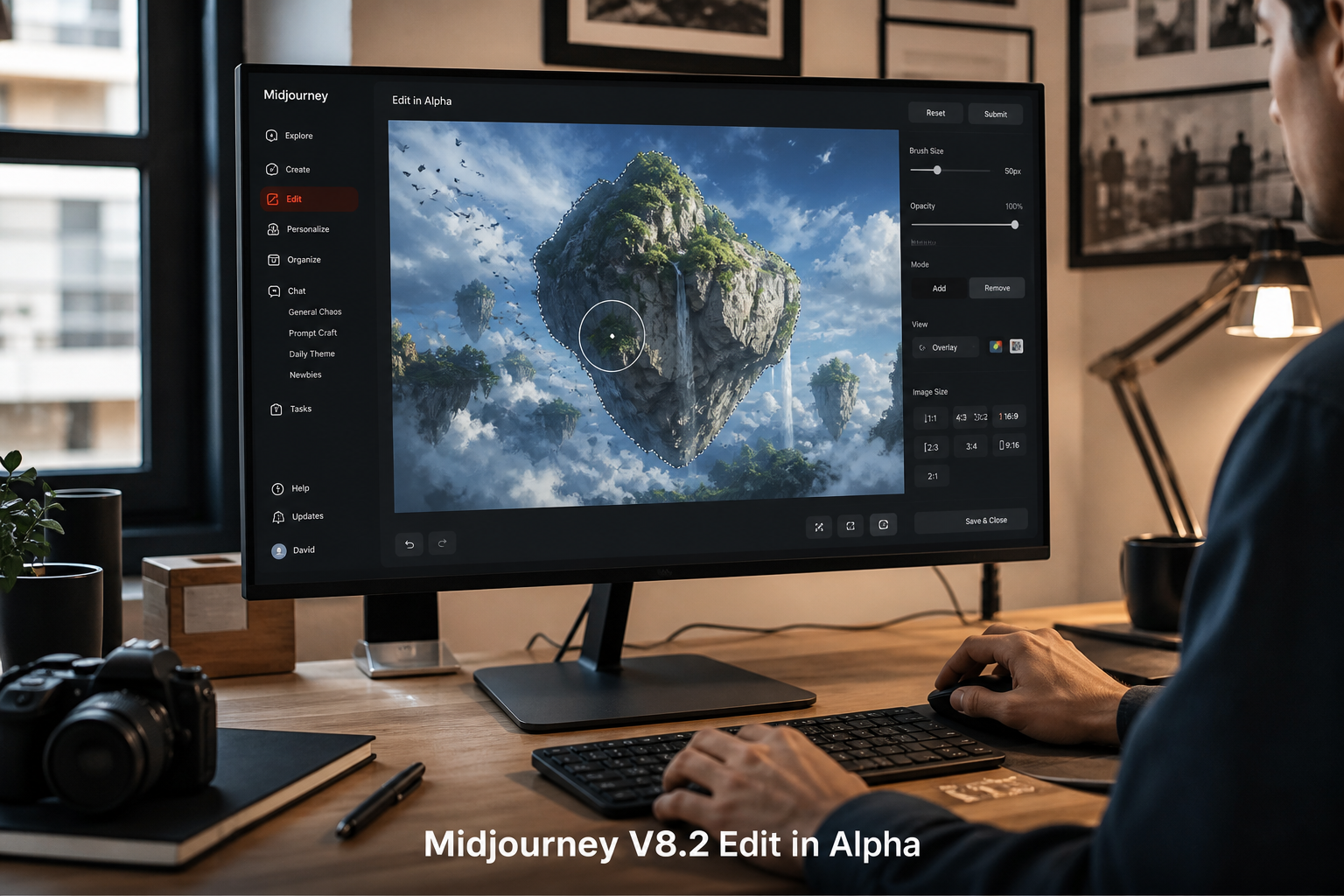
For creative platforms, the case widens the compliance map beyond fair-use training debates. Prompt filters, spaced-token bypasses, voice likeness, and name-triggered multimodal packs are now litigation facts, not just product niceties. Readers watching generative creative tooling can compare adjacent interface shifts in Midjourney v8.2 Edit Lightbox alpha, while governance watchers tracking how large AI services get labeled may weigh EU DSA ChatGPT very large search engine and frontier disclosure pressure in EU AI Office first RFIs to frontier labs.
Artists and managers should separate three tracks: copyright suits by rights holders, publicity claims by named performers, and commercial licenses that may cover some catalogs without extinguishing personal identity rights. Product teams building music or voice generators should stress-test name filters against spaced and phonetic variants, document refusal logs, and avoid marketing that promises artist-in-a-box experiences. Courts have not ruled on the merits; early September coverage is about the filing and the parties’ opening positions.
File this as creative-media news: an 84-page Aug 31 identity class action led by Isbell, explicit filter-loophole allegations, Suno’s meritless-claims defense, and a legal theory deliberately set apart from the major-label copyright war. The next phases — motions, class certification, and discovery into how name tokens are stored — will decide whether publicity law becomes the sharper blade against AI music clones.
If courts accept publicity claims at class scale, AI music startups may need consent frameworks closer to endorsement deals than to scraping defenses. That would raise costs and slow “type a name, get a song” product fantasies — which, from the plaintiffs’ view, is the point. Labels’ copyright settlements would not automatically license a performer’s commercial identity.
Engineers should note the multimodal detail in the complaint: song plus description plus image. Identity harm theories may travel beyond audio into cover art and biographical blurbs that reinforce a likeness package. Creative AI platforms that ship all three from a single name prompt are inviting the exact fact pattern plaintiffs describe.
Observers should keep WMG’s earlier licensing path and the continuing UMG/Sony copyright fights in separate columns. Publicity law is state-driven and person-centered; copyright is work-centered. Isbell’s filing is an attempt to make that legal distinction operational against generative music — and early September coverage shows both sides already locked into opening narratives.
Sources
- Jason Isbell Files Class Action Lawsuit Claiming Suno Coded AI to ‘Extract Musicians’ Identities’ — Billboard, 1 September 2026
- Jason Isbell and David Lowery are suing Suno… — Music Business Worldwide, September 2026