
Meta Muse Agent Can Shop and Checkout for Users
Fortune reported on 11 September 2026 that Meta’s Muse personal agent is rolling out free to US adults with a shopping path that can navigate checkout through Stripe
PromptCrates Editorial
Staff Writer
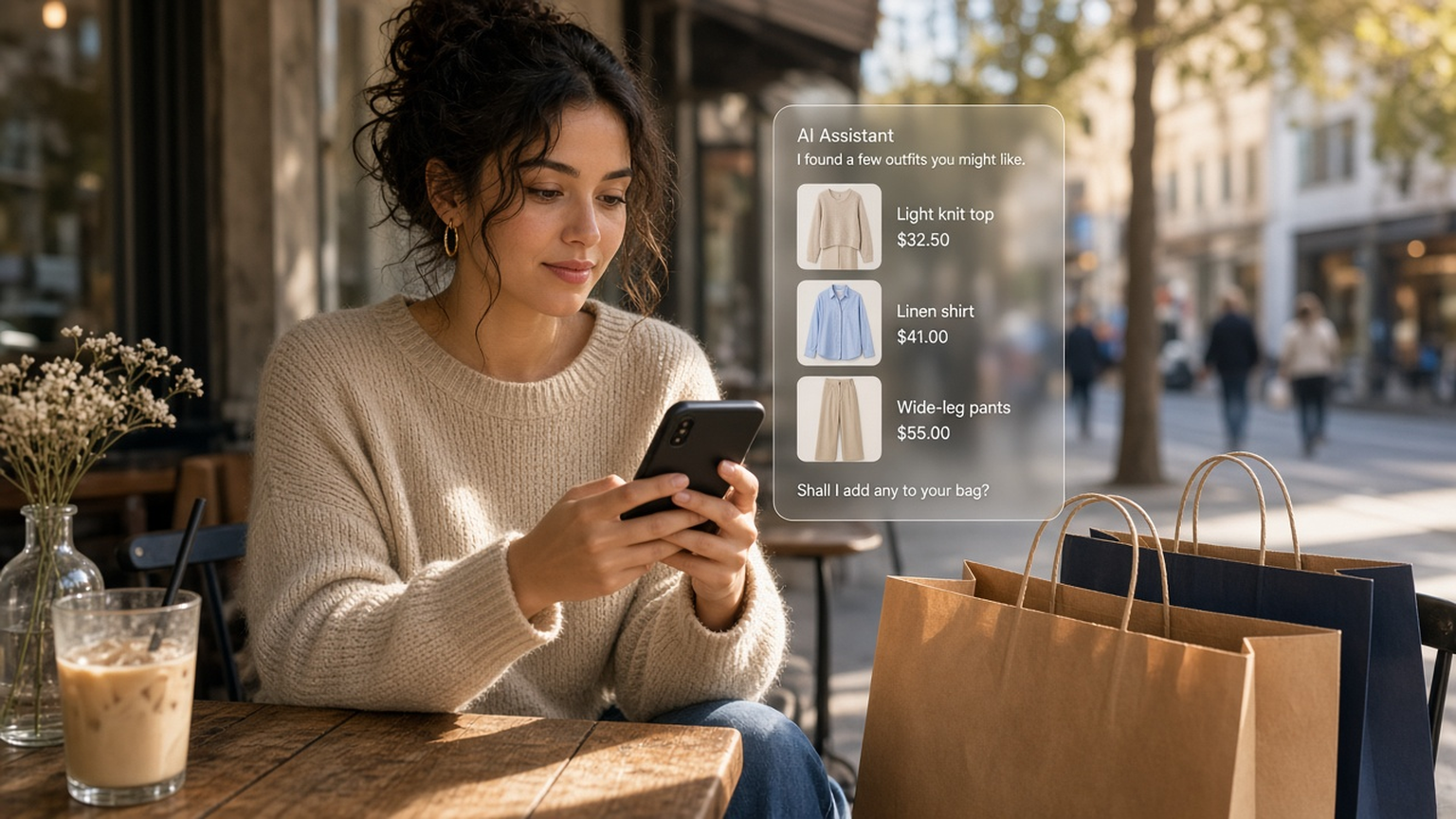
Fortune reported on 11 September 2026 that Meta’s Muse personal agent is rolling out free to US adults with a shopping path that can navigate checkout through Stripe Link after showing a total for user approval. Muse can also message friends, plan nights out, and assemble vacation outfits, running on Meta’s Muse Spark model stack. The company has poured capital into the agent race—including a $14.3 billion deal for a 49 percent stake in Scale AI and the hiring of Alexandr Wang as chief AI officer—while consumer surveys still show deep hesitation about letting software spend money.
How Muse shops and where it stops
Muse is pitched as a personal agent rather than a single-purpose shopping bot. In Fortune’s account, the assistant can browse and choose items, then advance through checkout rails via Stripe Link once the shopper confirms the total. That approval step is the trust hinge: Meta wants the convenience of agentic commerce without looking like it silently charged a card. Stripe Link keeps payment credentials in a familiar consumer flow instead of inventing a Meta wallet for every merchant.
Lifestyle tasks sit beside commerce. Messaging friends, planning evenings, and pulling outfit ideas for a trip are meant to make Muse feel like a daily companion, not a checkout plugin. That breadth matters competitively against Amazon’s Alexa for Shopping, Disney’s store AI experiments, and Uber Eats Cart Assistant—each strong in one domain, weaker as a general personal agent. Meta’s distribution across social apps could give Muse more moments to interrupt than a standalone shopping assistant, if users actually enable it.
Readers following Meta’s agent roadmap can connect this checkout story to our earlier coverage of the Meta Muse personal AI agent launch. The shopping feature is the first widely discussed moment where Muse touches real money rather than recommendations alone. Mastercard’s forecast that one in ten shoppers will use personal AI agents by 2030 gives vendors a long runway narrative, even while today’s trust scores lag the demos.
Trust capital and the competitive field
Fortune’s framing is blunt: Meta built an agent that can shop, but most people say they do not want AI spending their money. That skepticism is rational after years of accidental subscriptions, dark-pattern upsells, and opaque recommendation feeds. An approval screen helps, yet users still worry about subtle steering—preferring Meta advertiser inventory, favoring partners inside Stripe Link, or normalizing higher baskets because the agent “found a deal.”
The $14.3 billion Scale AI stake and Wang’s CAIO role signal that Meta treats agent quality as a strategic bet, not a holiday feature. Muse Spark is the model brand Meta needs to prove after years of open-weight releases and social AI experiments that mixed creativity with controversy. Competitors will watch whether Muse’s free US adult rollout converts into habitual shopping sessions or stalls at novelty chats about weekend plans.
Regulators and consumer advocates will ask who is liable when an agent misreads a size chart or confirms a total the user skimmed too quickly. Stripe Link reduces some payment-data risk for Meta, but product liability and unfair-practice rules still apply to how options are ranked. Merchants may welcome higher conversion and fear chargebacks when humans claim the agent misunderstood them. Our related industry threads on enterprise model fatigue show how quickly boardrooms tire of agent demos that do not survive audit.
Geographic rollout is currently US-adult and free, which simplifies early metrics while postponing harder privacy regimes. International expansion will collide with stricter marketing rules and payment authentication requirements. Meta’s ad business also creates a structural conflict narrative: is Muse optimizing for the user’s budget or for Meta’s revenue graph?
What to watch as agentic checkout spreads
Success metrics worth tracking include repeat purchase rates after first Muse checkout, average discount between agent-proposed and human-edited carts, and complaint volumes tied to unwanted items. If users routinely edit Muse’s basket before paying, the agent is a research clerk, not a buyer. If they approve totals unread, platforms inherit a new class of regret-driven refunds.
For now the documented story is Fortune’s 11 September report: Muse free to US adults, shopping plus social planning on Muse Spark, Stripe Link checkout after total approval, heavy Scale AI investment context, rivals across Amazon Disney and Uber Eats, Mastercard’s one-in-ten-by-2030 forecast, and a still-open consumer trust gap about AI that spends.
Retail partners will also watch attribution. If Muse completes checkout through Stripe Link, who owns the customer relationship—the merchant, Meta, or the payment rail? Loyalty programs and post-purchase support flows need hooks when an agent, not a human, filled the cart. Early pilots should instrument whether Muse shoppers return through Meta surfaces or through merchant apps the next time.
Customer support scripts must change too. Refund desks will hear “my AI bought the wrong thing,” and policies need a clear rule for agent-assisted purchases that still showed an approval total. That operational detail will decide whether Muse checkout scales past novelty weekends.