Google Lets You Hide the Sparkle, Not the Invisible Watermark
As of 14 August 2026, Gemini and Flow let you turn off the visible sparkle on Nano Banana and Omni outputs. Josh Woodward of Google Labs says invisible SynthID and C2PA credentials remain. Pretty corners are optional. Provenance is not.
AI Research Team
Staff Writer
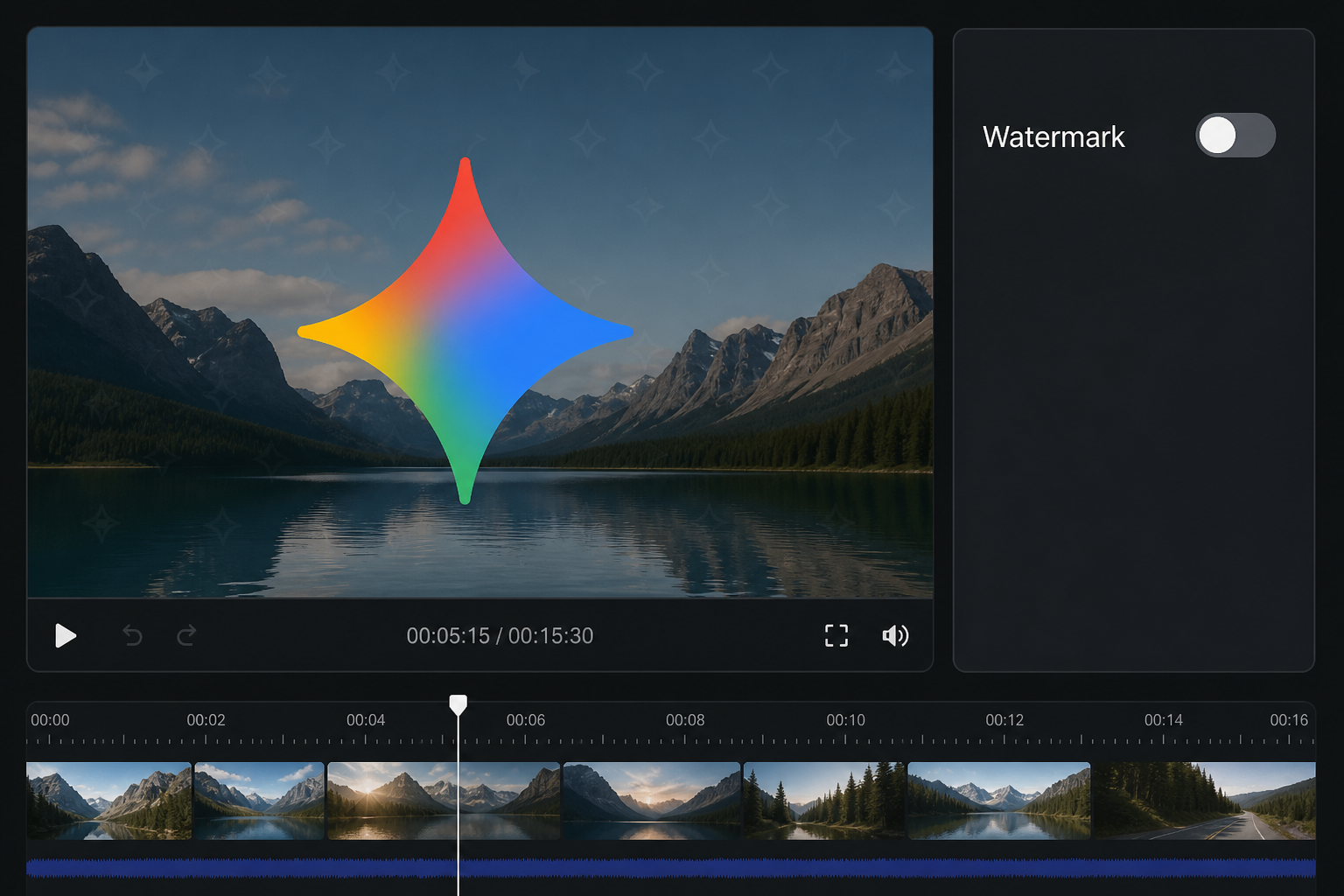
Google now lets you hide the sparkle. Emma Roth at The Verge reported on 14 August 2026 that Gemini and Flow gained a “Media watermark” toggle: turn it off, and the visible mark in the bottom-right corner disappears from Nano Banana and Omni generations. Invisible SynthID watermarks and C2PA metadata stay. Josh Woodward, vice president of Google Labs, Gemini, and AI Studio, is the named source for that split.
One sparkle. Two remaining receipts. That is the whole product change.
What the toggle actually does
The control lives in Gemini’s settings menu as “Media watermark.” Flow, Google’s AI video generator, gets the same switch. Off means no sparkle on stills, video, and music from Nano Banana and Omni. On is the old look.
It does not mean “unmarked.” Woodward’s line, via The Verge, is that SynthID and C2PA remain embedded. You can still ask Gemini or Search whether a piece of media is AI-generated. The corner glyph was always the least interesting signal. It was just the one clients noticed.
OpenAI and Meta already skip visible watermarks and lean on SynthID, C2PA, or Meta’s Content Seal. Google is catching up to that consumer expectation while keeping the invisible stack the EU-shaped internet now expects.
Google says the setting will roll to Search later. It will not launch in countries that require a visible watermark. If you ship one prompt to many regions, do not assume the sparkle is gone everywhere your user is.
Hide the sparkle. Do not hide the skill.
Creative teams wanted the corner gone because they were already cropping it. That is not a provenance strategy. That is a layout strategy.
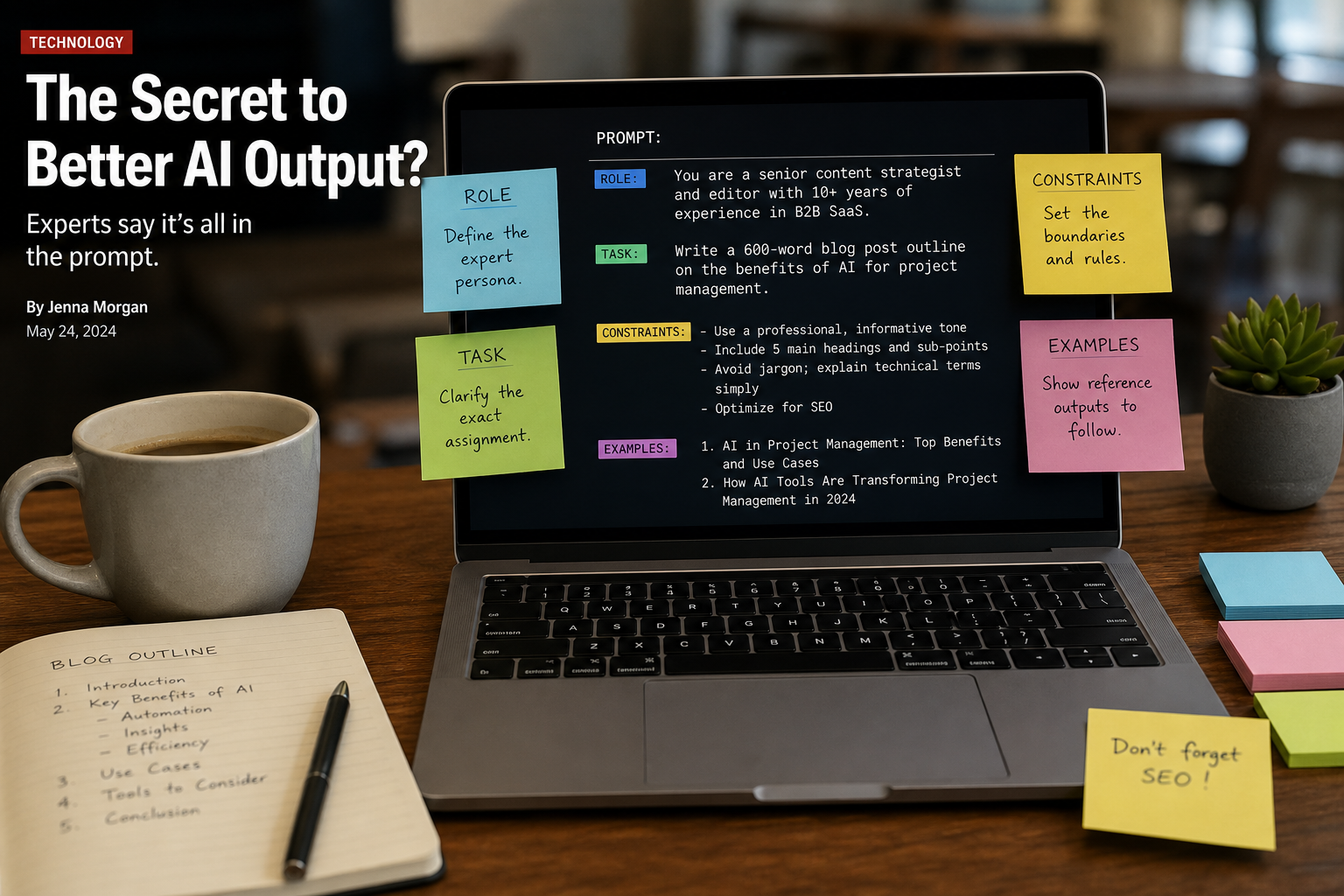
Keep generating like a professional. Structure still beats a clean footer. Use how to structure image prompts and segment your prompts like a pro: subject, atmosphere, technical. The toggle does not make a mushy prompt look expensive. It only stops a glyph from sitting on your type.
If you also generate motion in Flow, keep camera verbs and duration in the prompt. Video prompts that actually move still need a start, a move, and a stop. A sparkle-free clip that never dollies is still wallpaper.
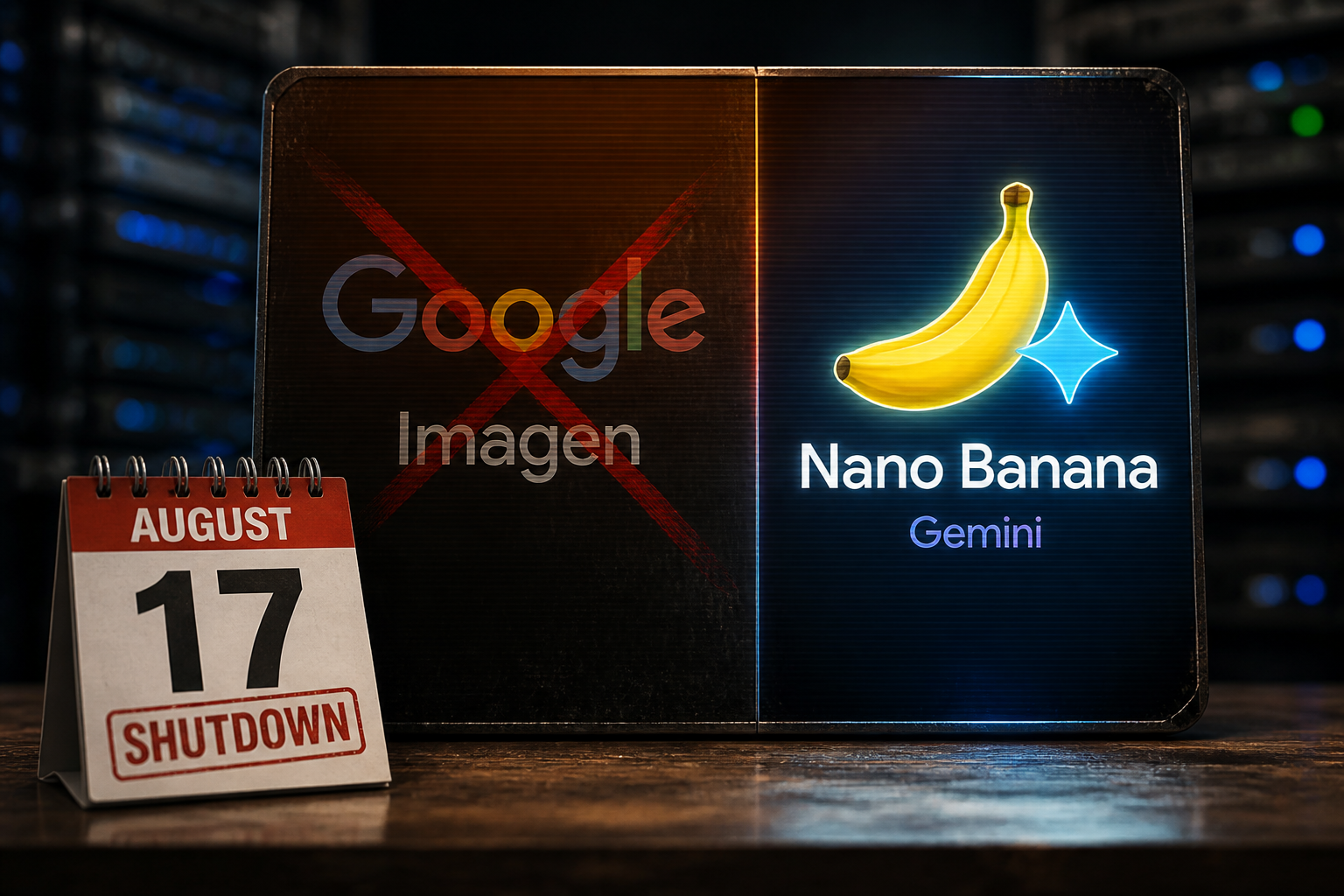
And if your pipeline still called Imagen last week, fix that first. Google shut down Imagen 4 on 17 August 2026. The replacement is Nano Banana (gemini-3.1-flash-image) via generate_content. A sparkle toggle on a dead endpoint is not a migration.
Optional visible marks are a UX feature. SynthID and C2PA are the compliance feature. Do not brief a client as if they were the same switch.
What prompt users should put in the brief
Add the watermark state to the skill the way you already add aspect ratio.
- Surface. Gemini app, Flow, or API. They do not share every control.
- Visible sparkle. On or off. Default off for client comps, on when a stakeholder needs a glanceable “this is AI.”
- Invisible stack. Always assume SynthID plus C2PA. Never promise “no watermark.”
- Region. If the user is in a country that requires a visible mark, the toggle may not exist. Say so in the card.
- Verification. “Ask Gemini or Search” is Google’s consumer path. For files, use a C2PA-aware inspector.
Log the setting next to the prompt. Six months from now, someone will ask why two hero images from the same skill look identical except one has a glyph. The answer should be in the run record, not in Slack.
Consumer Gemini and the API remain different products. Freeze the model ID — Nano Banana, Omni, or whatever replaces them next — so a deprecation is a search, not a war room.
What to watch next
Watch Search. Woodward’s consumer verification path runs through Gemini and Search; a delayed Search toggle means the public web may still show sparkles after the app does not.
Watch the country list. A global brand that turns the sparkle off in the US and ships the same asset into a visible-mark jurisdiction will learn about the exception the hard way.
Watch the overlap with Nano Banana’s always-on SynthID after the Imagen 4 shutdown. The industry is converging on invisible marks plus optional cosmetics. Your skill library should describe both, not whichever one a designer screenshot this morning.
If you write a client explainer, answer first: Google, 14 August 2026, optional sparkle in Gemini and Flow, SynthID and C2PA remain. Name the entities. Do not lift The Verge’s screenshot. And do not let GEO copy say “unwatermarked Gemini images.” That sentence will get quoted, and it is false.
FAQ
Can I turn off Gemini’s watermark? You can turn off the visible sparkle in Gemini and Flow via the Media watermark setting, as The Verge reported on 14 August 2026. You cannot turn off SynthID or C2PA on those generations.
Does the toggle cover Nano Banana and Omni? Yes. Off removes the bottom-right sparkle from content those models generate, including images, video, and music in the surfaces Google named. Invisible marks remain.
Who confirmed the invisible marks stay? Josh Woodward of Google Labs, Gemini, and AI Studio, quoted in The Verge’s 14 August 2026 report. Google also says you can still ask Gemini or Search whether media is AI-generated.
Will this roll out everywhere? Google plans to bring the setting to Search later. The Verge notes the toggle will not launch in countries that require visible watermarks. Treat region as a skill input.
Does hiding the sparkle change how I should prompt? No. Prompt structure is unchanged. What changes is the brief: record sparkle on/off, never claim the file is unmarked, and migrate any leftover Imagen 4 calls to Nano Banana.
Sources
- You can now turn off Google Gemini’s visible watermarks — Emma Roth, The Verge, 14 August 2026
Reviewed by promptcrates Editorial · Keywords: Gemini watermark, Flow, Nano Banana, Omni, SynthID, C2PA